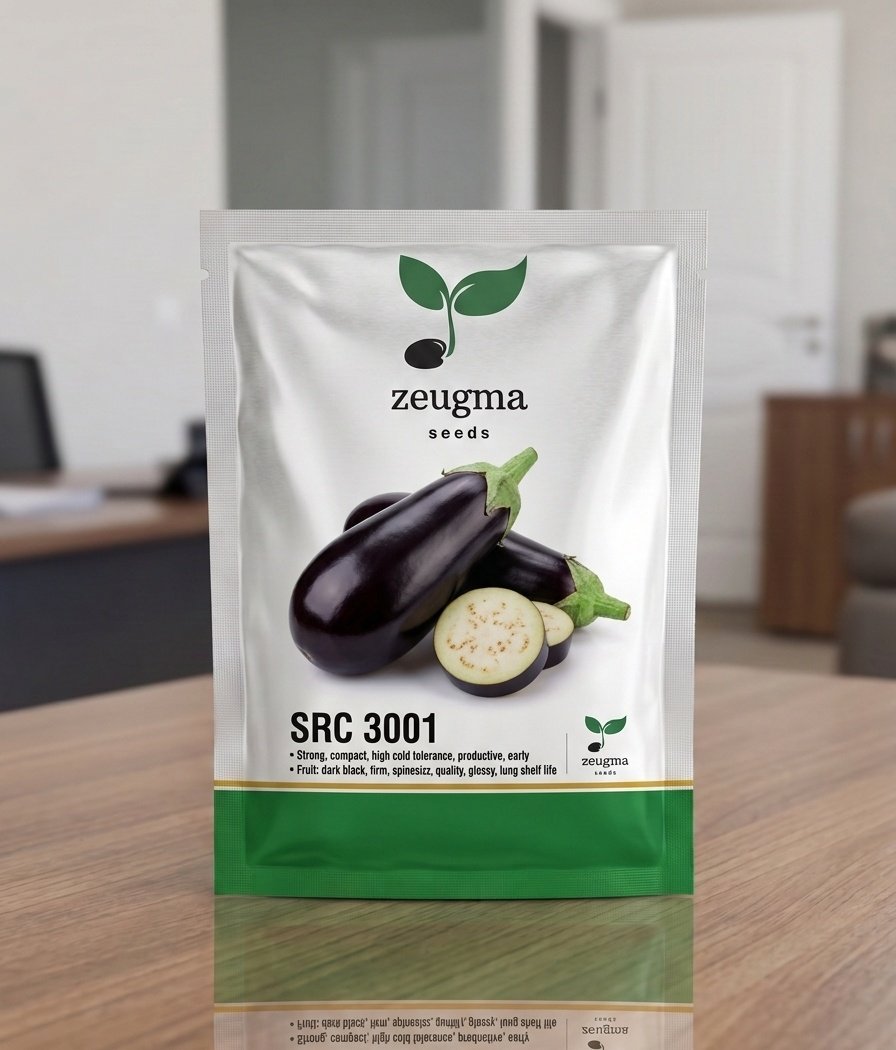
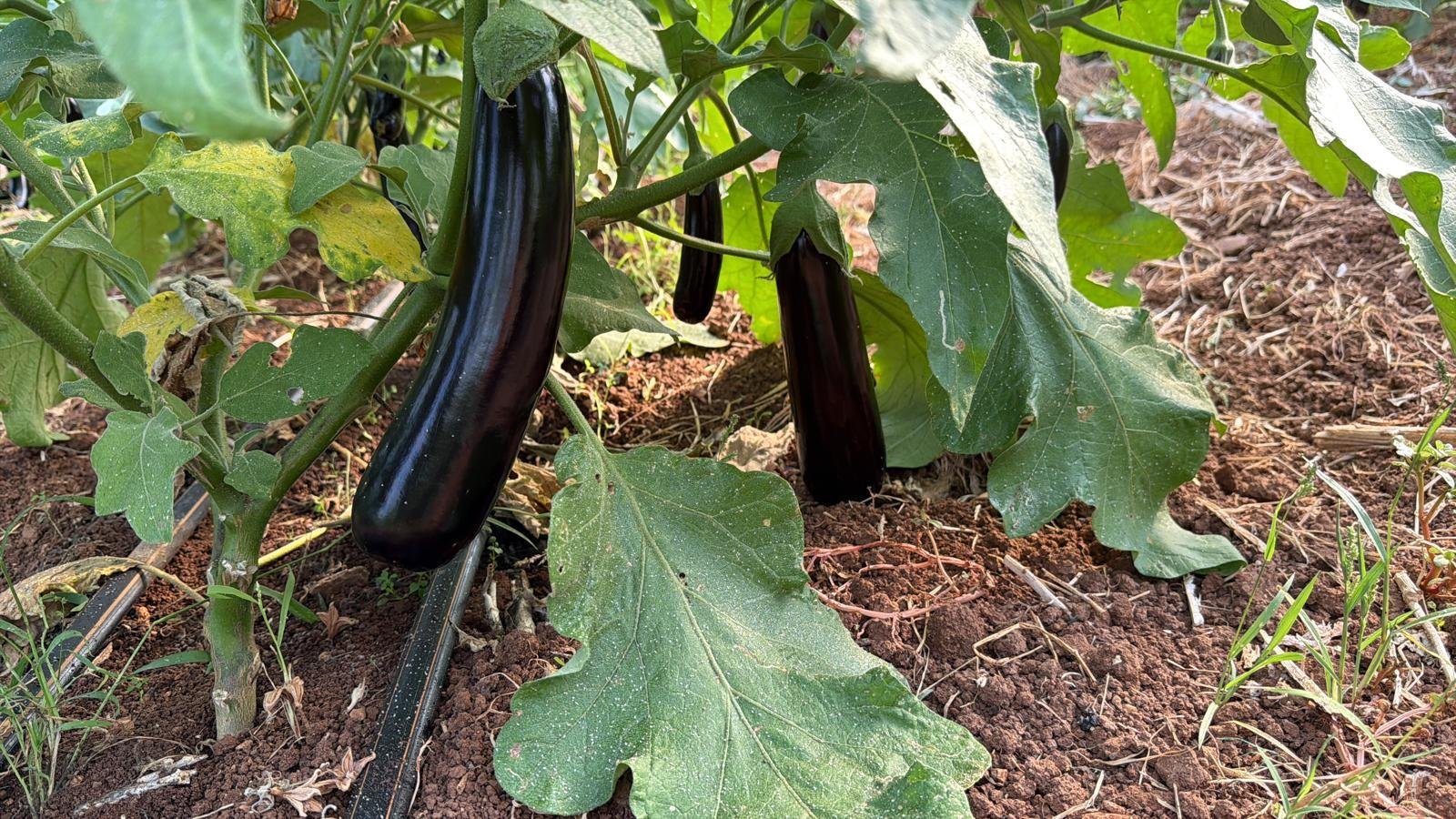
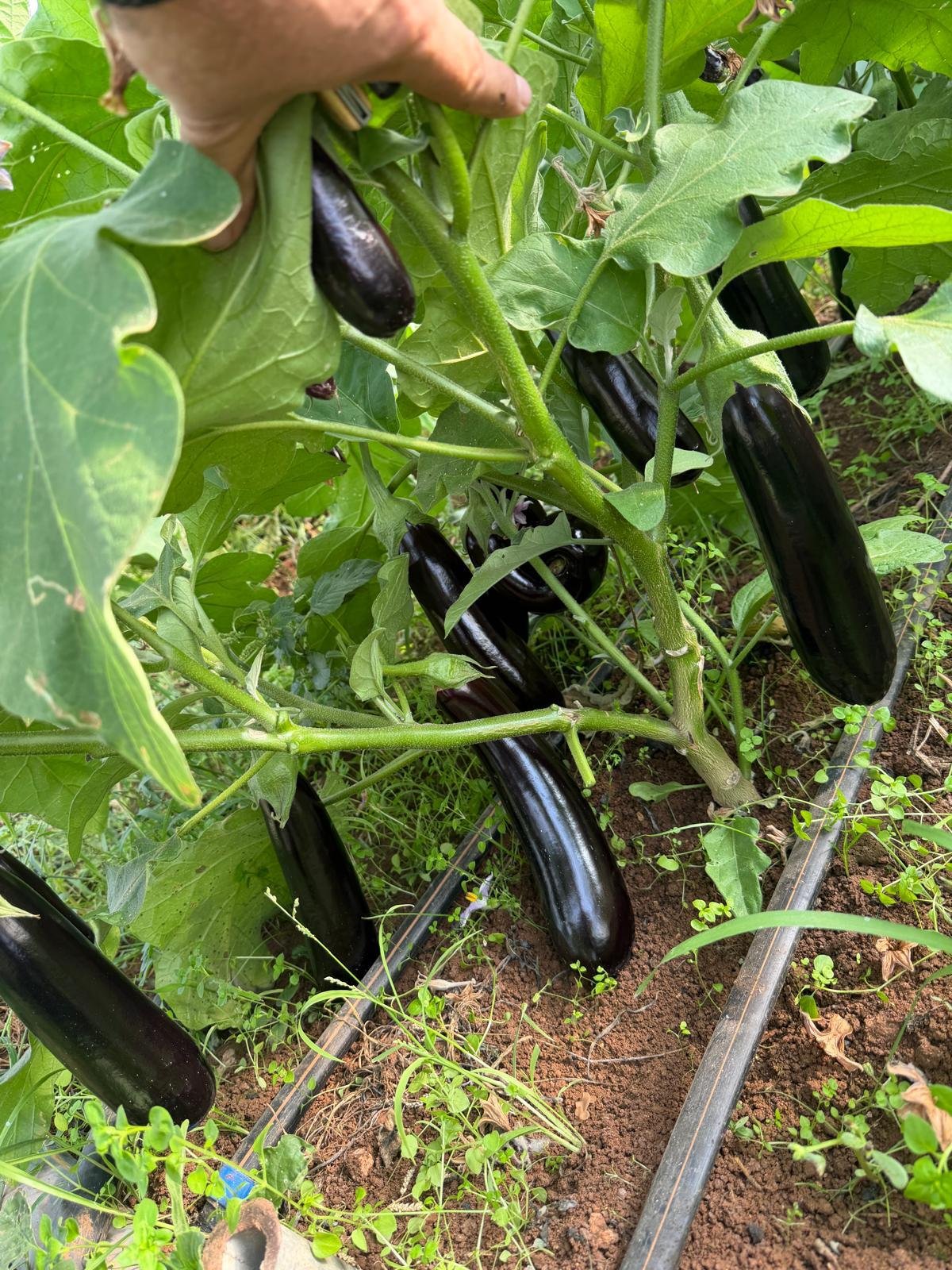
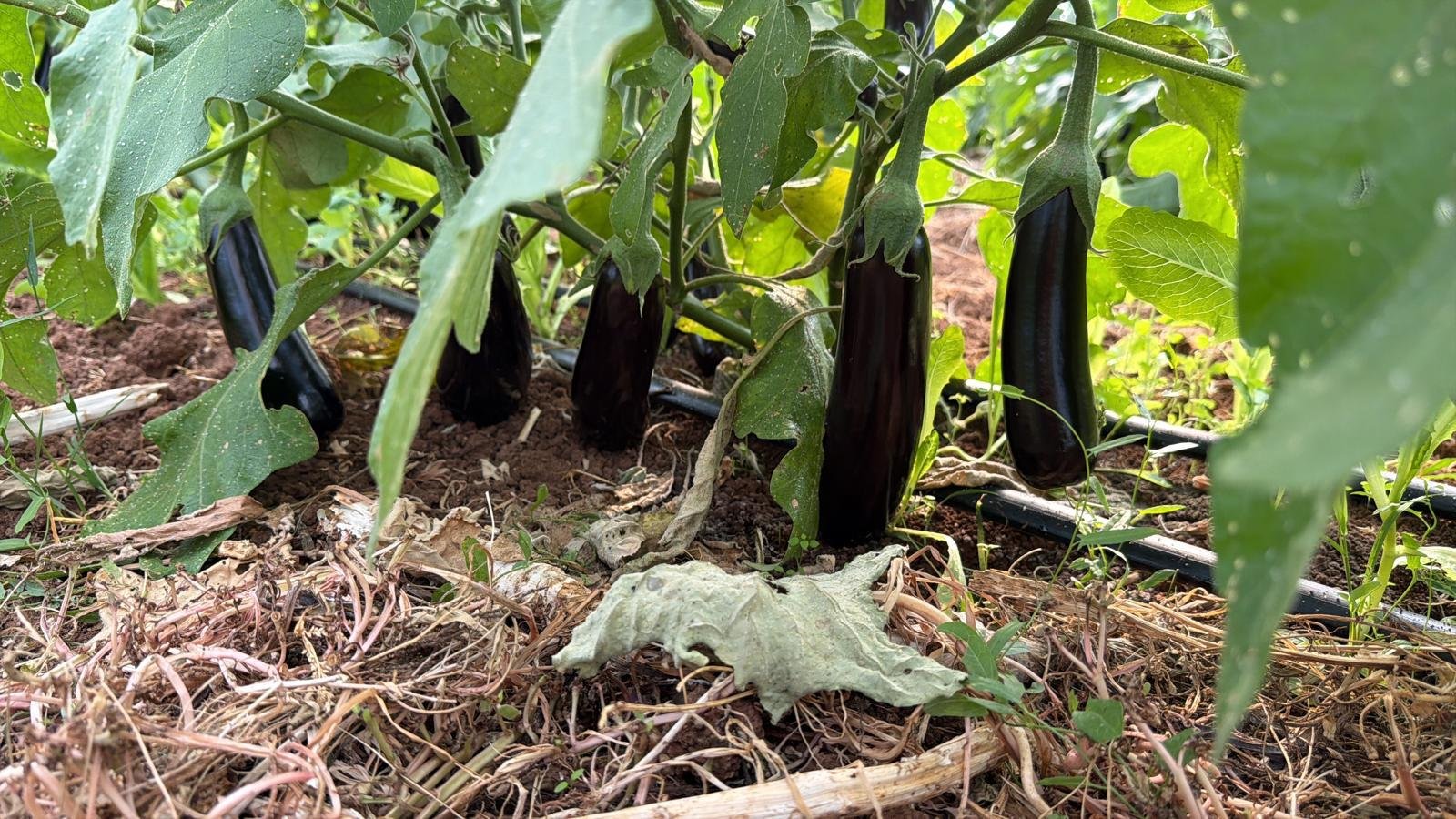
Eggplant cultivation, especially of the dark cylindrical variety, demands a nuanced understanding of environmental controls, soil management, and plant health. The journey from seed to harvest is a carefully orchestrated process, and when it comes to Zeugma Cylindrical Eggplant seeds SRC 3001, the commitment to excellence begins with the seed itself. These seeds are the product of years of careful breeding, optimized for robust growth, disease resistance, and superior fruit quality. The result is a dark, cylindrical eggplant that commands attention both in the field and at market.
For greenhouse cultivation, meticulous preparation is paramount. The greenhouse structure itself must be robust, capable of withstanding varied weather conditions. Prior to planting, thoroughly clean and sanitize the greenhouse to minimize the risk of disease transmission. Ensure proper ventilation to regulate temperature and humidity, which are critical for eggplant growth. A well-ventilated greenhouse reduces the risk of fungal diseases and ensures optimal air circulation around the plants.
Temperature control is also essential. Eggplants thrive in warm environments, with daytime temperatures ideally ranging between 70°F and 85°F (21°C to 29°C). Nighttime temperatures should not drop below 60°F (16°C). Implementing heating systems, such as forced-air heaters or radiant floor heating, can maintain consistent temperatures during colder months. Conversely, cooling systems, like ventilation fans and shade cloths, help prevent overheating during the summer.
Soil health is the foundation of successful eggplant cultivation. The ideal soil should be well-draining, loamy, and rich in organic matter. Before planting, conduct a soil test to determine the pH level and nutrient content. Eggplants prefer a slightly acidic to neutral pH, typically between 6.0 and 7.0. Amend the soil with compost, well-rotted manure, or other organic amendments to improve its fertility and structure. This ensures that the plants have access to the nutrients they need for healthy growth and abundant fruit production.
Irrigation is another critical aspect of eggplant cultivation. Consistent moisture is essential, particularly during fruit development. Implement a drip irrigation system to deliver water directly to the roots, minimizing water waste and reducing the risk of foliar diseases. Monitor soil moisture levels regularly and adjust irrigation schedules accordingly. Avoid overwatering, as this can lead to root rot and other problems.
Fertilization is crucial for maximizing yields. Eggplants are heavy feeders and require a balanced supply of nutrients throughout the growing season. Apply a balanced fertilizer at planting time, followed by supplemental feedings every few weeks. Choose a fertilizer that is high in phosphorus and potassium, as these nutrients promote fruit development. Consider using a slow-release fertilizer to provide a steady supply of nutrients over an extended period.
Pest and disease management is an ongoing challenge in eggplant cultivation. Regularly inspect plants for signs of pests or diseases, such as aphids, spider mites, or fungal infections. Implement integrated pest management (IPM) strategies to control pests and diseases in an environmentally responsible manner. This may include using beneficial insects, applying organic pesticides, or practicing crop rotation.
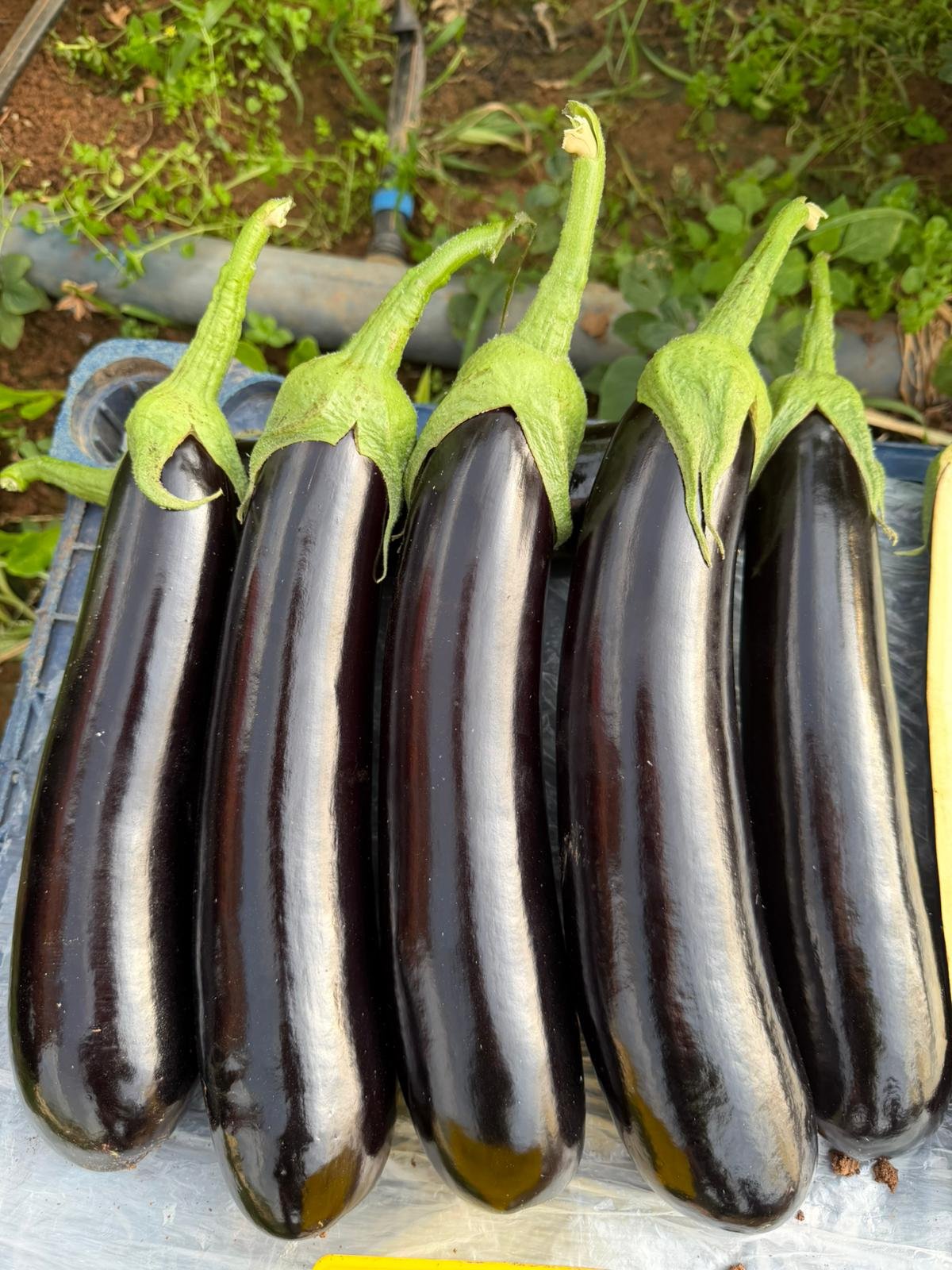
Harvesting Zeugma Cylindrical Eggplant seeds SRC 3001 at the peak of ripeness is crucial for ensuring optimal flavor and texture. Harvest the eggplants when they are firm, glossy, and uniformly colored. Use a sharp knife or pruning shears to cut the fruits from the plant, leaving a small portion of the stem attached. Handle the eggplants gently to avoid bruising or damaging the skin.
Post-harvest handling is essential for maintaining the quality of the eggplants. Store them in a cool, well-ventilated area at a temperature of around 50°F to 55°F (10°C to 13°C). Avoid storing eggplants near ethylene-producing fruits, such as apples or bananas, as this can accelerate ripening and reduce shelf life.
For commercial growers, wholesale export logistics are a critical consideration. Partnering with a reliable logistics provider is essential for ensuring that the eggplants are transported safely and efficiently to their final destination. Proper packaging and temperature control are crucial for maintaining the quality of the eggplants during transit.
The cultivation of **Dark Cylindrical Eggplant** requires diligent planning and execution. The Zeugma Cylindrical Eggplant seeds SRC 3001 are specifically designed to provide a high yield, making them perfect for commercial production. By focusing on key factors such as greenhouse preparation, climate control, soil health, irrigation, and pest management, growers can achieve exceptional results and deliver premium-quality eggplants to market.
Why Choose Our Dark Cylindrical Eggplant
Our commitment at Zeugma Seeds extends beyond merely providing seeds; we aim to deliver a comprehensive agricultural solution. For growers seeking a reliable and productive variety, our **Dark Cylindrical Eggplant** seeds offer unparalleled potential. Established in 1986, Zeugma Seeds wholesale catalog has dedicated itself to pioneering advancements in seed technology, ensuring that each product, including the Zeugma Cylindrical Eggplant seeds SRC 3001, embodies our commitment to quality and innovation.
The **Dark Cylindrical Eggplant** stands out not only for its visual appeal but also for its robust growth characteristics. Ideal for both greenhouse and open field environments, this variety showcases impressive adaptability. Furthermore, our dedication to research and development ensures that the Zeugma Cylindrical Eggplant seeds SRC 3001 provide superior disease resistance, thereby minimizing crop loss and maximizing yields. We understand that the success of our clients is directly linked to the quality of our seeds; therefore, we continually strive to improve and refine our offerings.
Another critical aspect of cultivating the **Dark Cylindrical Eggplant** is understanding the nuances of professional commercial tomato cultivation, especially when grown in conjunction with other crops. Crop rotation, companion planting, and soil management practices must be carefully considered to optimize overall productivity. Moreover, our team at Zeugma Seeds is always available to provide expert guidance and support, ensuring that our clients have access to the latest agricultural insights and best practices.
Our dedication to providing the finest quality Zeugma Cylindrical Eggplant seeds SRC 3001 is underpinned by our commitment to sustainable and ethical agricultural practices. We meticulously monitor our seed production processes to ensure environmental stewardship, minimizing our carbon footprint and promoting biodiversity. By choosing Zeugma Seeds, you are not only investing in superior quality seeds but also supporting a company dedicated to creating a more sustainable future for agriculture.
The distinctive characteristics of our **Dark Cylindrical Eggplant** make it an excellent choice for discerning growers. Its uniform shape, rich color, and extended shelf life ensure that it meets the stringent demands of both local and international markets. Furthermore, its exceptional flavor profile appeals to a broad spectrum of consumers, contributing to its popularity and market value.
Zeugma Seeds has been a trusted name in agriculture since 1986, and our Zeugma Cylindrical Eggplant seeds SRC 3001 exemplify our unwavering dedication to excellence. From seed selection to post-harvest management, every step is carefully considered to ensure optimal results. With Zeugma Seeds, you’re not just buying seeds; you’re investing in a partnership that is committed to your success. The **Dark Cylindrical Eggplant** promises a high-yield, high-quality crop that will impress both farmers and consumers alike.