
Introduction
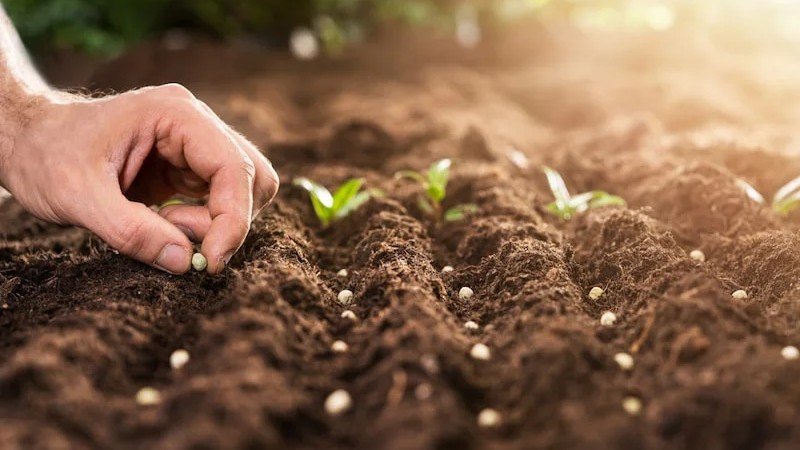
Choosing the right seed is one of the most important decisions a farmer makes before starting a growing season. The quality and suitability of the seed can strongly influence crop establishment, plant health, uniformity, and final productivity.
However, selecting seeds based only on price or expected yield is not enough. Farmers and agricultural buyers should consider the crop variety, growing conditions, resistance characteristics, seed quality, and the reliability of the supplier.
1. Choose Varieties Suitable for Your Growing Conditions
The first step is to select a variety that matches the local environment.
Consider factors such as:
- Climate and temperature
- Rainfall and water availability
- Soil type
- Growing season length
- Expected planting date
- Local disease and pest pressure
A variety that performs well in one region may not necessarily provide the same results in another. Matching the variety to the production environment helps farmers make better use of available resources.
2. Start with High-Quality Seeds
Seed quality is fundamental to successful crop establishment.
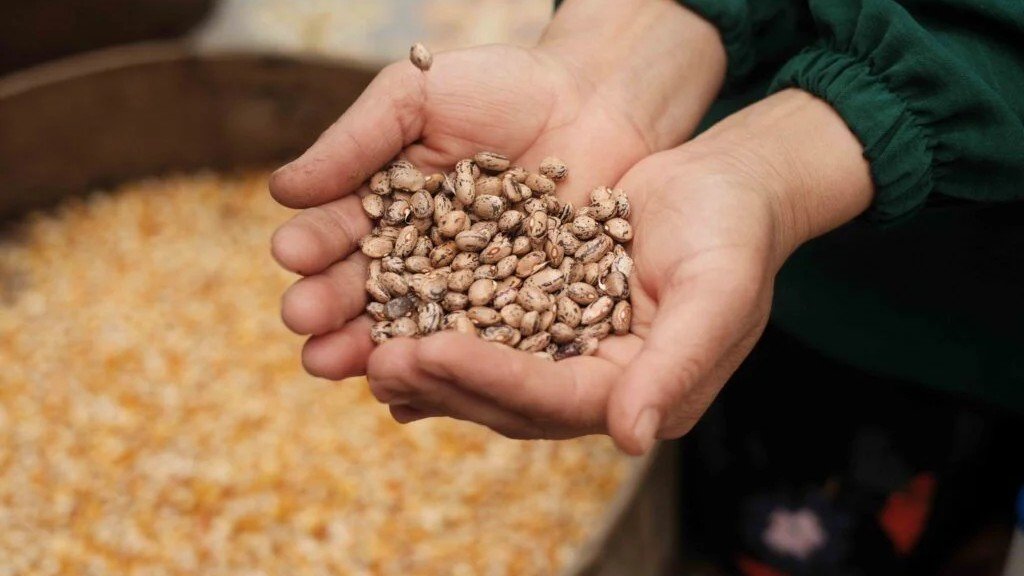
Good-quality commercial seed should have appropriate germination, physical purity, varietal identity, and overall quality according to applicable standards.
High-quality seed can support more uniform emergence and help establish a stronger crop from the beginning.
For B2B agricultural buyers, it is also important to work with suppliers who can provide clear information about the seed lot and its specifications.
3. Consider Germination and Seed Vigor
Germination tells you whether seeds are capable of producing normal seedlings under suitable conditions. Seed vigor goes further, reflecting how well seeds perform under a wider range of field conditions.
Strong seed vigor can be particularly valuable when environmental conditions are less than ideal.
Before purchasing large quantities, buyers should review available germination and quality information and, when appropriate, request documentation or testing results.
4. Evaluate Disease and Pest Resistance
Disease and pest pressure can significantly affect crop performance.
When available, selecting varieties with resistance or tolerance to important local diseases and pests can help reduce production risks.
However, resistance characteristics should always be considered alongside the local growing environment and the specific problems affecting the farm.
5. Look for Consistency and Uniformity
Uniform crop establishment is important for efficient field management and harvesting.
Seeds with consistent quality can help produce plants with more uniform emergence and development.
For commercial farmers and distributors, consistency is particularly important because predictable crop performance makes planning irrigation, fertilization, crop protection, and harvesting easier.
6. Consider Yield Potential — but Don’t Focus on Yield Alone
A variety with high yield potential may look attractive, but maximum yield is not determined by genetics alone.
Actual performance depends on several factors, including:
- Seed quality
- Soil conditions
- Climate
- Irrigation
- Fertility
- Crop management
- Disease and pest pressure
- Harvest conditions
The best seed is therefore not necessarily the variety with the highest theoretical yield. It is the variety that fits the production system and has strong performance under the target conditions.
7. Check the Seed’s Adaptability
Farmers should consider how consistently a variety performs across the conditions they expect during the growing season.
Depending on the crop, important characteristics may include:
- Heat tolerance
- Drought tolerance
- Cold tolerance
- Maturity period
- Water-use requirements
- Suitability for specific soil conditions
Adaptability can be especially important in regions where weather conditions vary significantly from season to season.
8. Buy from a Reliable Seed Supplier
Even an excellent variety can become a poor investment if the seed supplier is unreliable.
Before placing a B2B order, buyers should consider:
- Seed quality documentation
- Lot information
- Packaging and labeling
- Storage conditions
- Supplier experience
- Export capabilities
- Delivery reliability
- Technical product information
Why Seed Selection Matters for B2B Buyers
For wholesalers, distributors, agricultural businesses, and commercial growers, seed selection is not simply about buying a product. It is about choosing genetics that can perform reliably in a specific agricultural market.
A strong sourcing partner should therefore provide more than seeds. Buyers benefit from clear product specifications, reliable supply, consistent quality, and professional export support.
Why Choose Zeugma Seeds?
Zeugma Seeds supports international B2B buyers looking for agricultural seeds for different production markets.
With a focus on seed sourcing, quality, and international supply, Zeugma Seeds works with agricultural businesses, wholesalers, distributors, and commercial buyers.
Worldwide B2B Export
Conclusion
Selecting the right seed is the foundation of a successful crop.
By evaluating variety suitability, seed quality, germination, vigor, resistance, adaptability, consistency, and supplier reliability, farmers and agricultural businesses can make more informed purchasing decisions.
The goal is not simply to choose a seed with high yield potential. The goal is to choose the right genetics for the right environment and production system.