Introduction
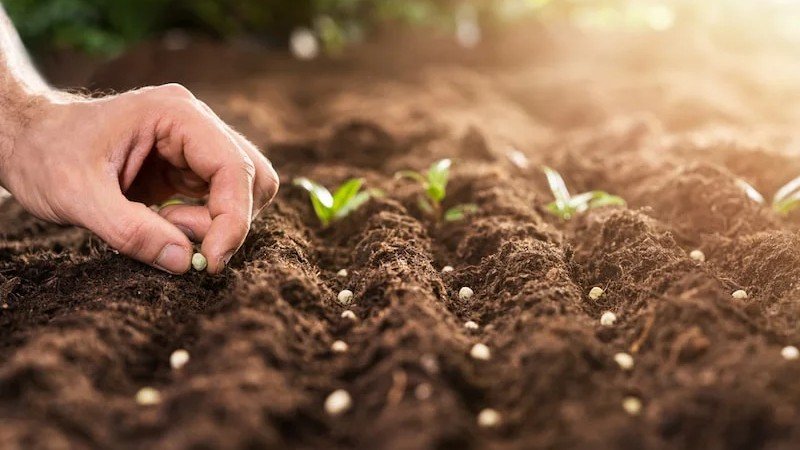
Selecting the right seed variety is one of the most important decisions in modern agriculture. Climate conditions directly affect crop performance, productivity, disease resistance, and overall farming success.
As global agriculture faces changing environmental conditions, farmers, distributors, and agricultural businesses increasingly focus on choosing seed varieties that are suitable for specific climate zones and regional growing conditions.
Why Seed Selection Matters
Different crops and seed varieties perform differently depending on temperature, humidity, rainfall, soil type, and seasonal changes.
Using the correct seed variety can help farmers:
- Increase crop yield
- Improve resistance to diseases
- Adapt to climate stress
- Enhance product quality
- Achieve more stable production
Understanding Climate Zones in Agriculture
1. Hot and Dry Climate Zones
Regions with high temperatures and limited rainfall require drought-resistant seed varieties that can tolerate water stress and heat conditions.
Suitable characteristics include:
- Strong root systems
- Heat tolerance
- Low water requirements
2. Humid and Tropical Regions
High humidity environments increase the risk of fungal diseases and pests. Farmers in these regions often prefer disease-resistant and fast-growing seed varieties.
3. Cold Climate Regions
In colder areas, early-maturing and frost-tolerant varieties are essential for maintaining production during shorter growing seasons.
4. Temperate Climate Zones
Temperate regions offer flexibility for a wider range of crops, but selecting varieties adapted to local seasonal patterns remains important for maximum productivity.
Key Factors When Choosing Seed Varieties
Climate Compatibility
Seeds should match the environmental conditions of the target growing area.
Disease Resistance
Strong resistance against common regional diseases can reduce production risks and improve yield consistency.
Yield Potential
High-performing varieties help maximize agricultural profitability.
Market Demand
Farmers and distributors should also consider customer preferences and export market requirements.
Soil and Irrigation Conditions
The success of a crop often depends on compatibility with local soil structure and available irrigation systems.
Why This Matters for International Agricultural Buyers
For distributors, wholesalers, and agricultural importers, working with reliable seed suppliers is essential for long-term success.
Choosing the right seed varieties can improve farming efficiency while helping businesses meet market demand more effectively.
Introducing Zeugma Seeds
Zeugma Seeds supports international agricultural markets with professional seed supply solutions for different climate conditions and farming requirements.
They provide export-ready agricultural seed products for distributors, wholesalers, and agricultural businesses worldwide.
What They Offer
- Agricultural seed varieties for different climates
- Wholesale seed supply
- Export services worldwide
- Reliable sourcing solutions
- Professional B2B support
Why Choose Them
- Experience in international seed trade
- Focus on quality and consistency
- Reliable export operations
- Customer-focused communication
- Long-term partnership approach
Contact
🌐 https://zeugmaseeds.com/
📧 info@zeugmaseeds.com
📱 +90 537 644 52 27
If you are looking for reliable agricultural seed solutions for different climate zones, Zeugma Seeds is ready to support your global sourcing needs.