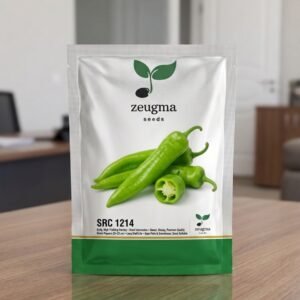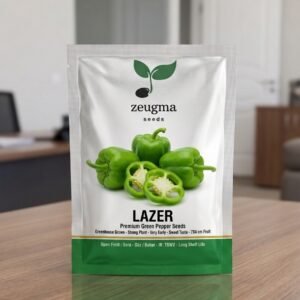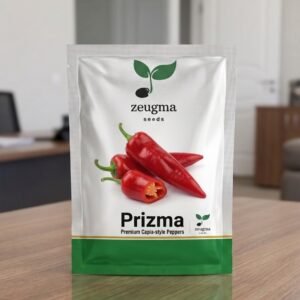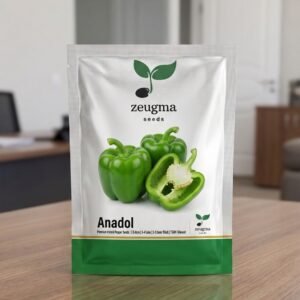

Our Green Stuffing Pepper seeds represent the pinnacle of Zeugma Seeds’ commitment to quality and innovation since 1986. These seeds are specifically bred for exceptional performance in both open field and greenhouse environments. With Zeugma Stuffing Pepper seeds, you’re not just planting seeds; you’re investing in a legacy of agricultural excellence.
Why Choose Our Green Stuffing Pepper
When it comes to cultivating premium stuffing peppers, the choice of seeds matters immensely. Our Green Stuffing Pepper seeds guarantee a bountiful harvest of sweet, flavorful peppers ideal for stuffing and culinary applications. These peppers are characterized by their thin skin, excellent quality, and vibrant green color, making them a favorite among chefs and home cooks alike. The focus keyword, Green Stuffing Pepper, directly relates to the high-quality pepper you will be producing, a testament to Zeugma Seeds’ breeding expertise.
Greenhouse Preparation for Green Stuffing Pepper Cultivation
For optimal results in greenhouse cultivation of our Green Stuffing Pepper, meticulous preparation is key. Begin by thoroughly cleaning and sanitizing the greenhouse structure to eliminate potential pathogens and pests. Ensure adequate ventilation and lighting systems are in place to maintain a consistent and controlled environment. The ideal greenhouse temperature for pepper cultivation ranges between 70-85°F (21-29°C) during the day and 60-70°F (15-21°C) at night. Proper temperature regulation is crucial for promoting healthy plant growth and fruit development.
Climate Control and Environmental Factors
Maintaining precise climate control is paramount for successful Green Stuffing Pepper cultivation in a greenhouse. Implement automated climate control systems to regulate temperature, humidity, and light levels. Peppers thrive in a relative humidity range of 60-70%. Utilize supplemental lighting, such as LED grow lights, to extend the growing season and enhance fruit production, especially during periods of low natural light. Regularly monitor and adjust climate control settings to adapt to changing weather conditions.
Soil Health and Nutrient Management
The health of the soil is fundamental to the success of your pepper crop. Use a well-draining, nutrient-rich soil mix with a pH between 6.0 and 6.8. Incorporate organic matter, such as compost or well-rotted manure, to improve soil structure and fertility. Conduct regular soil tests to determine nutrient levels and adjust fertilization accordingly. Peppers are heavy feeders, requiring ample amounts of nitrogen, phosphorus, and potassium. Employ a balanced fertilizer blend specifically formulated for vegetable crops, and consider supplementing with micronutrients like calcium and magnesium to prevent deficiencies.
Irrigation Strategies for Optimal Growth
Proper irrigation is essential for maintaining soil moisture and preventing water stress in pepper plants. Implement a drip irrigation system to deliver water directly to the root zone, minimizing water waste and reducing the risk of foliar diseases. Monitor soil moisture levels regularly and adjust irrigation frequency as needed. Avoid overwatering, which can lead to root rot and other fungal diseases. Water deeply and infrequently, allowing the soil to dry slightly between watering sessions. Remember, consistent and adequate hydration is crucial for maximizing fruit yield and quality of the Green Stuffing Pepper.
Pest and Disease Management
Effective pest and disease management is crucial for protecting your pepper crop from potential threats. Implement integrated pest management (IPM) strategies, including regular scouting, biological controls, and targeted pesticide applications. Common pests of peppers include aphids, spider mites, and whiteflies. Introduce beneficial insects, such as ladybugs and lacewings, to control pest populations naturally. Preventative measures, such as maintaining good sanitation and providing adequate ventilation, can help minimize the risk of disease outbreaks. The best way to protect your Green Stuffing Pepper crop from damage is to identify any problems early, before they have a chance to spread.
Harvesting and Post-Harvest Handling
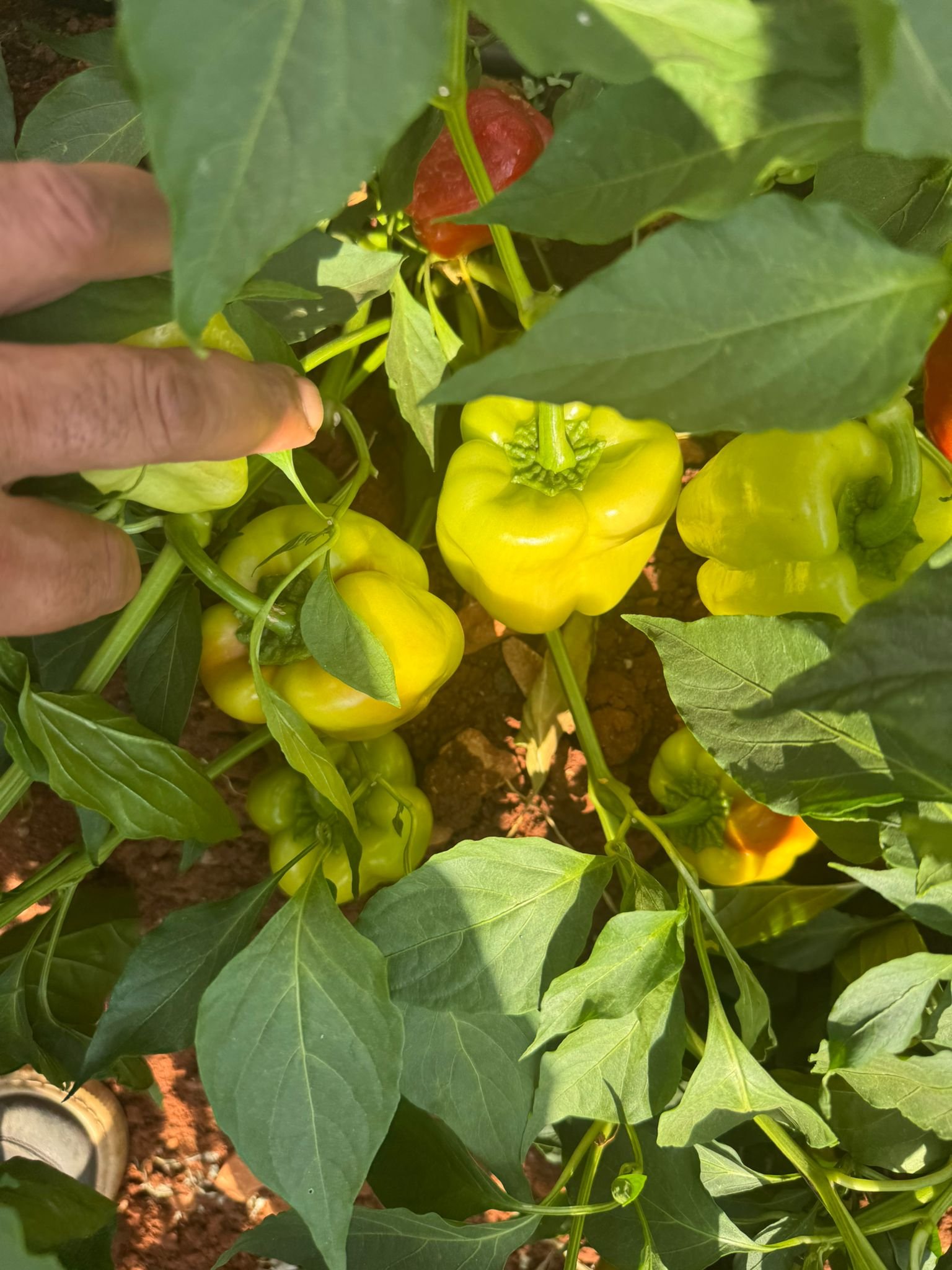
Harvest peppers when they have reached their full size and have developed a deep, uniform green color. Use pruning shears or a sharp knife to cut the peppers from the plant, leaving a short stem attached. Handle peppers gently to avoid bruising or damage. Store harvested peppers in a cool, dry place at a temperature of 45-55°F (7-13°C) and a relative humidity of 90-95%. Proper post-harvest handling is essential for extending the shelf life and maintaining the quality of your peppers.
Wholesale Export Logistics
Zeugma Seeds provides comprehensive support for wholesale export logistics, ensuring that our premium seeds reach growers worldwide in optimal condition. We work with trusted logistics partners to handle all aspects of the export process, including customs clearance, documentation, and transportation. Our seeds are carefully packaged and labeled to meet international shipping standards. We provide detailed information on seed storage and handling to ensure that our customers receive their seeds in the best possible condition. Our commitment to quality extends beyond our seeds to encompass all aspects of our business operations. For more information, please see our Zeugma Seeds wholesale catalog.
By choosing Zeugma Seeds’ Stuffing Pepper seeds, you are investing in a product backed by decades of expertise and a dedication to quality. Whether you are a commercial grower or a home gardener, our seeds will help you achieve exceptional results. Learn more about professional commercial tomato cultivation and related best practices to maximize the yield of your Zeugma pepper crop.